ABOUT US
100% Virginia Raw Honey
Wildflower honey busting with flavors from the piedmont. Typically our nectar sources are primarily from tulip poplar, black locust, and blackberry.
OUR PHILOSOPHY
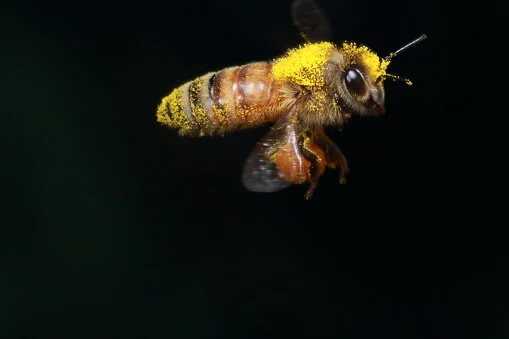
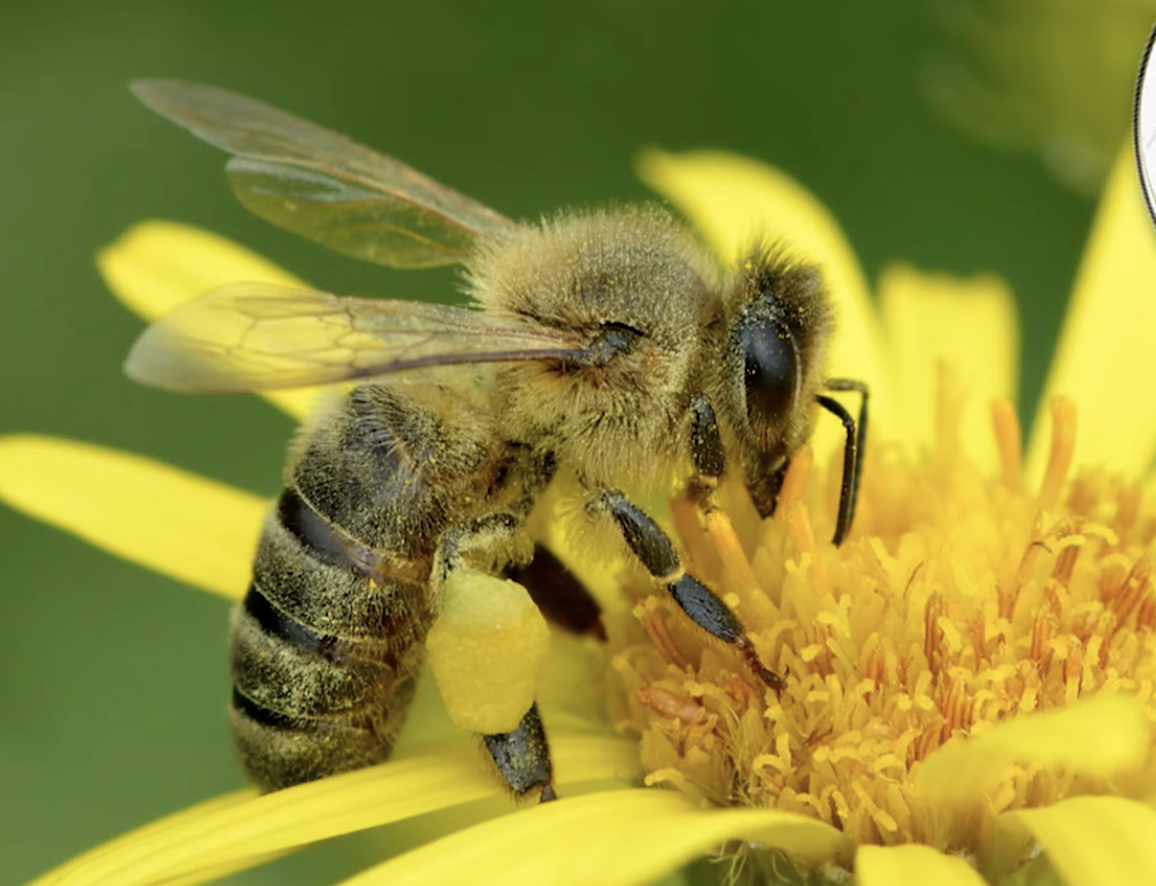
These creatures continue to teach us how little we know about them.
For me, as a beekeeper for just over 17 years now this activity of tending to the bees has become an art form, and a craft that I will continue to perfect.
Breeding healthy honey bees is the cornerstone of our operation. Bee health equates to mite-resistance genetics, and good nutrition. We are sure to leave our bees with plenty of natural stores and only harvest the true surplus. This is an important part of the success formula for sustainable beekeeping.
In return, the following spring the colonies are bursting in a big beautiful healthy population that are ready for the flow.

MEET THE BEEKEEPER
We Really Love Our Bees.
My name is Jenn Sword. I’ve been beekeeping since 2009. My passion is to educate on the importance of these fascinating little creatures, and help solve some of the many problems we have in the beekeeping industry.
Our colony management practices focus on raising gentle honey bees, with varroa sensitive hygiene (VSH) stock.
We are located in Barboursville, VA, about 10 mins from James Madison’s Montpelier.
HOW WE WORK
Our Beekeeping Practices
The Bees First
We leave our bees with a generous surplus to ensure that they have adequate nutrition during times of dearth, and for winter survival.
Bee Nutrition
Healthy bees produce exceptional honey, and stronger colonies. We ensure that our bees have proper nutrition year-round.
Natural Management
Our philosophy is to work with the bees. Our management strategy employs best practices for sustainable beekeeping.
Education & Outreach
We're passionate about educating the community on the importance of honey bees and helping solve the challenges facing modern beekeeping.